Certified Medical Translations for Western Cape Clinics & Universities
We provide certified medical translation services for clinical research sites and healthcare providers across the Western Cape. A core part of our work involves translating critical documents like Informed Consent Forms (ICFs) into clear, accurate Afrikaans and isiXhosa, the languages your patients and participants understand best.
See examples of our work translating standard clinical research terminology:
| Language | Standard Translation |
|---|---|
| English | PARTICIPANT INFORMATION AND INFORMED CONSENT FORM |
| Afrikaans | DEELNEMERINLIGTINGS- EN INGELIGTETOESTEMMINGSVORM |
| IsiXhosa | ULWAZI LOMTHABATHINXAXHEBA NEFOMU YEMVUME ESEKELWE ELWAZINI |
We also provide translations for organisations based in the north of the country in all other official languages: isiZulu, Sepedi, Setswana, Sesotho, Xitsonga, Siswati, Tshivenḓa and isiNdebele.
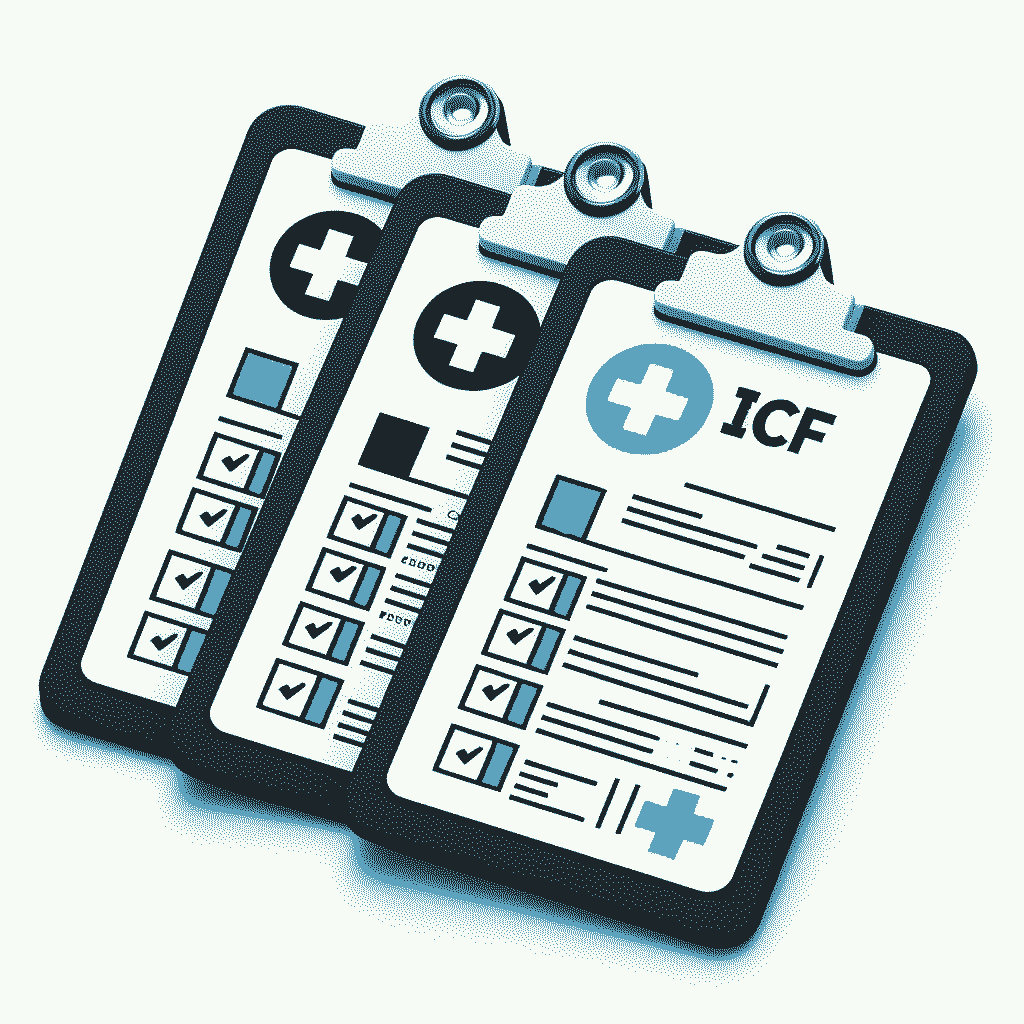
Informed Consent Forms (ICFs) translated for sites and clinics in the Western Cape.
Specialist Medical Translation for All South African Languages
Medical translations present a particular set of challenges. We have experience working in partnership with this sector, particularly in research and development into HIV and TB treatment across South Africa and have built a core team of specialised medical translators for all 11 official languages who are able to respond to these challenges. Our translators understand the intricacies of medical terminology and cultural contexts, ensuring accurate and accessible translations.
Successful communication is crucial in the medical sector: every day, health researchers and practitioners must deliver and receive complex information and sensitive patient data with clarity and accuracy across linguistic and cultural divides. Organisations researching new vaccines, drugs and procedures for fighting HIV and TB need to reach support staff, caregivers and patients in their home languages, to obtain informed consent or to explain medical procedures. With our medical translation services, you can be confident that your materials will be accurately translated in the appropriate register for each community.
Clear, Accessible Translations for Patients and Participants
In this critical sector, translators must ensure that their translations are completely faithful to source texts, as well as clear and accessible to patients and participants who lack medical expertise. Incorrect language usage by those without specialist knowledge and experience, or who lack an understanding of the linguistic and cultural orientations of participants (even if they are qualified translators), can seriously reduce the efficacy of both medical research and practice. With our user-friendly translations, we ensure that all patients and participants can understand the medical information presented to them.
The challenge for any clinical research translation service is to identify and agree on the range of terms that facilitate both accurate and comprehensible translation from the source language into the target language. Informed consent forms, medical trial reports and other crucial materials used on the ground all need to work with widely accepted, internally consistent and easily comprehensible language to ensure successful research and treatment. Our team of medical translators is trained to identify and agree on these terms, ensuring accurate and easily understandable translations.
What Certified Medical Translation Includes
South African ethics committees require translations they can trust. Our certified medical translations come with a formal sign-off that documents each translator's academic qualifications and a minimum of ten years' experience translating for medical research sites, backed by feedback from first-language site staff who know both the language and the field as it is actually used in clinical trials.
Every translation we deliver is produced to meet ethics committee requirements. We are an approved vendor for both UCT and Stellenbosch University medical schools. See how our certification compares to ISO standards →
A Practical Note on Back Translations
Back translations, where a second translator independently re-translates your document back into English for comparison, are still offered by many agencies, including iiTranslation. In practice, however, the overwhelming majority of our clients no longer request them.
Two reasons: budget pressures (particularly following USAID funding cuts, research teams are routinely asked to do more with less) and the fact that HIV and TB trial terminology in Afrikaans and isiXhosa is now thoroughly established after decades of active trials in South Africa. Departments familiar with our work are confident that a certified translation, properly signed off, satisfies ethics committee requirements without doubling the cost.
Get a Precise Quote for Your Medical Translation
Clear communication builds trust and ensures true informed consent. This leads to more effective patient care and more reliable research outcomes.
Get a precise quote for your medical translation in any official South African language. Email us at: info@iitranslation.com . Attach your document and we will respond within five minutes during business hours (7:30am - 5pm SAST, Monday to Friday).
Frequently Asked Questions: Medical Translation Services
What types of medical documents do you translate?
Our medical translation work centres on the documents that clinical research and healthcare communication depend on most. Informed Consent Forms (ICFs) are the most frequently requested document type, translating the rights, risks and procedures of a study into clear, accessible language in the participant's home language is both a legal requirement and an ethical obligation. We also translate Participant Information Leaflets (PILs), Case Report Forms (CRFs), clinical trial protocols, patient questionnaires, standard operating procedures for site staff and community-facing health communications. Beyond the clinical research sector, we translate pharmaceutical product information, medical device instructions and public health materials for government health programmes and NGOs. All documents are handled by linguists with specialist medical subject-matter experience, not general translators given a medical glossary.
Which languages do you translate for clinical research sites in South Africa?
The languages required depend on your site locations and the communities your research draws participants from. For Western Cape sites, the primary languages are Afrikaans and isiXhosa. For KwaZulu-Natal sites, isiZulu is the primary language. Gauteng sites typically require Sesotho and Setswana alongside isiZulu. Limpopo and Mpumalanga sites draw predominantly Sepedi and Xitsonga-speaking participants. We cover all 11 official South African languages and can advise on the right language set for a multi-site national trial, including where a single language version can serve participants across more than one province. Please include your site locations when you request a quote and we will confirm the language requirements for each.
Do your medical translations meet South African ethics committee and SAHPRA requirements?
Yes. Every medical translation we produce is handled by a university-qualified first-language specialist with a minimum of 10 years' experience in medical subject-matter translation, then passed through our ISO 17100:2015-compliant editorial process. South African Human Research Ethics Committees (HRECs) and the South African Health Products Regulatory Authority (SAHPRA) require that translated consent documentation accurately conveys the source text, is written in language accessible to a lay participant and has been produced by a qualified linguist. Our output meets all three requirements. We issue a certificate of translation confirming the qualifications and quality control process applied on every project, which can be submitted alongside your ethics application or regulatory dossier.
How do you ensure that medical translations are both accurate and accessible to patients?
This is the central challenge of medical translation and the point where generalist agencies most often fail. A technically accurate translation of an ICF is worthless if a participant with a Grade 9 education cannot understand what they are consenting to. Our medical linguists are trained to work within both constraints simultaneously: faithfulness to the source text and genuine accessibility for the target reader. In practice this means our translators do not simply render medical terms word-for-word. They apply community-appropriate language, avoid unnecessary clinical jargon where plain language equivalents exist and flag any source text that is itself ambiguous or likely to be misunderstood before translation begins. Every project also goes through an independent editing phase specifically checking for readability, not only terminological accuracy. The goal is a document that a community health worker could read aloud to a participant and be confident that the participant understood what they agreed to.
How do you maintain terminology consistency across a multi-language clinical trial?
Terminology consistency is one of the most technically demanding aspects of clinical research translation and the area where informal translation arrangements most commonly break down. For a trial running across multiple sites in multiple languages, every translated version of an ICF or PIL must use internally consistent terminology that maps reliably back to the source document. We achieve this through a dedicated terminology framework for each project, agreed before translation begins and applied consistently by all translators working on the study. This framework documents the agreed translation for every key clinical term in every target language, from the name of the intervention to the description of adverse events. It is maintained across all versions and updated if the source protocol changes. This ensures that data collected across sites in different languages can be compared accurately and that regulatory reviewers find consistent terminology throughout the dossier.
Can AI be used for medical translation into South African languages?
No, and the consequences of attempting it in a medical context are more serious than in almost any other field. A mistranslated consent form does not just create a compliance problem. It means a participant agreed to something they did not understand, which is an ethical violation regardless of intent. AI translation tools fail in South African medical contexts for two compounding reasons. First, the data scarcity problem that affects all official South African languages means the models have not learned medical terminology accurately in isiXhosa, isiZulu, Sepedi or any of the other languages. Second, medical language requires a level of precision and contextual judgement that AI cannot apply. The difference between "may cause" and "will cause" in a consent form is legally significant, and AI models do not understand significance, only pattern. Using AI output as a draft for a human to correct is also not a shortcut: a qualified medical linguist reviewing AI-generated isiXhosa will encounter structural errors, hallucinated terminology and register failures throughout. The reconstruction work takes longer and costs more than translating correctly from the outset. For any document that will be submitted to an ethics committee, a regulator or presented to a research participant, only a human expert working from the source is acceptable.
How long does a medical translation take and what does it cost?
We use transparent per-word pricing for all medical translation projects and the figure in your quote is the final amount, with no administration fees or surcharges. Medical content attracts specialist rates reflecting the qualifications and experience level required, but we never charge premium fees for faster turnarounds. Our minimum project cost is R500 + VAT. Turnaround depends on document length, language combination and the availability of the specialist linguist most appropriate for your content. We provide a firm deadline only after the assigned translator has reviewed the files, which means when we commit to a date we meet it. Most clients receive a quote within 5 minutes of emailing their document during business hours. Please include your site location, target languages and any deadline constraints when you write so we can give you an accurate timeline immediately.
What is the difference between a medical translator and a general translator?
The distinction matters more in medicine than in almost any other field. A general translator working from a glossary can produce a text that reads fluently and passes a surface review but contains errors that only a subject-matter specialist would identify. These errors can include the wrong term for a biological mechanism, a consent clause that implies voluntariness differently from the source, or a dosage instruction that is grammatically correct but clinically ambiguous. Our medical translators hold university degrees in their home language and have a minimum of 10 years of specialist medical translation experience. They understand the regulatory context their translations operate in, the ethical obligations that ICFs carry and the community language norms of the populations their translations are written for. This combination of linguistic qualification, medical subject-matter expertise and community knowledge is what separates a translation that satisfies an ethics committee from one that requires correction before submission.
Do you translate for HIV and TB clinical research specifically?
Yes. HIV and TB research has been a core part of our medical translation work since we were established in 2013. South Africa carries a disproportionate share of the global HIV and TB burden and is consequently one of the most active sites for clinical trials researching new treatments, vaccines and prevention strategies. We have extensive experience translating the full document set for HIV and TB trials, from initial community engagement materials and screening questionnaires through to ICFs, PILs, adherence support materials and end-of-study communications. Our linguists understand the community sensitivities around these conditions, the plain-language conventions that have developed in HIV research communication over decades and the specific terminology challenges that arise when translating antiretroviral and TB drug protocols into languages that have no direct equivalent for many pharmaceutical terms. This background means we do not approach each HIV or TB project from scratch.
Clients